Before I managed engineers I ran their process. I was the scrum master for a team: the planning, the standups, the retrospectives, the board. When I became a manager I assumed I would leave most of that behind, because it was a different job. I think I was half right. The ceremonies I left behind. The habits underneath them turned out to be most of what managing is.
Making the work visible
The first thing I kept is the conviction that work should be visible without anyone having to ask. A board that reflects what is actually happening, a plan people can see, a clear statement of what done means. As a scrum master that was most of the job. As a manager I think it is the difference between a team that is trusted and one that has to keep explaining itself.
It also protects the team. When the work is visible, the question of why something is late answers itself, usually before anyone asks.
Asking what is in the way
The daily question of a standup, what is blocking you, is the question I still ask more than any other. The form changed. It is a one-to-one or a message now, not a circle. But I think the discipline of asking it every day, and then actually doing something about the answer, is the most useful thing a manager does. Most blockers are small and most of them are mine to remove.
Facilitation over direction
A scrum master runs a meeting without being its subject. The team decides, the facilitator makes sure the deciding happens. I kept that almost completely. The meetings I run go best when I say the least, and the decisions that hold are the ones the team reached rather than the ones I announced.
I think this is the part most new managers get backwards. The authority of the role makes it tempting to use it. The facilitation habit, if you have it, reminds you that a team that decided for itself will do the thing. A team that was told will do the thing until you stop watching.
Retrospectives, but honest ones
I kept the habit of looking back on purpose, at a set time, with the whole team. What I had to learn is that as the manager I am now part of what the retrospective is about, and a retrospective where the manager is exempt is theater. The ones that work are the ones where the first thing changed is something I was doing.
What I dropped
I stopped owning the process as a thing in itself. Scrum, kanban, whatever the team wants, the manager's job is the outcome, not the ritual. When I catch myself defending a ceremony rather than a result, I take it as a sign I have slipped back into the old role.
I also stopped treating velocity as a target. As a scrum master I tracked it. As a manager I learned that the moment it becomes a number the team is held to, it stops being a measurement and starts being a negotiation. I still look at it. I do not manage to it.
Where this stops being true
Some teams need a process owner who is not their manager, and I think that is healthier when the team is large enough to support it. The habits here are a manager's habits either way. The ceremonies can belong to someone else.
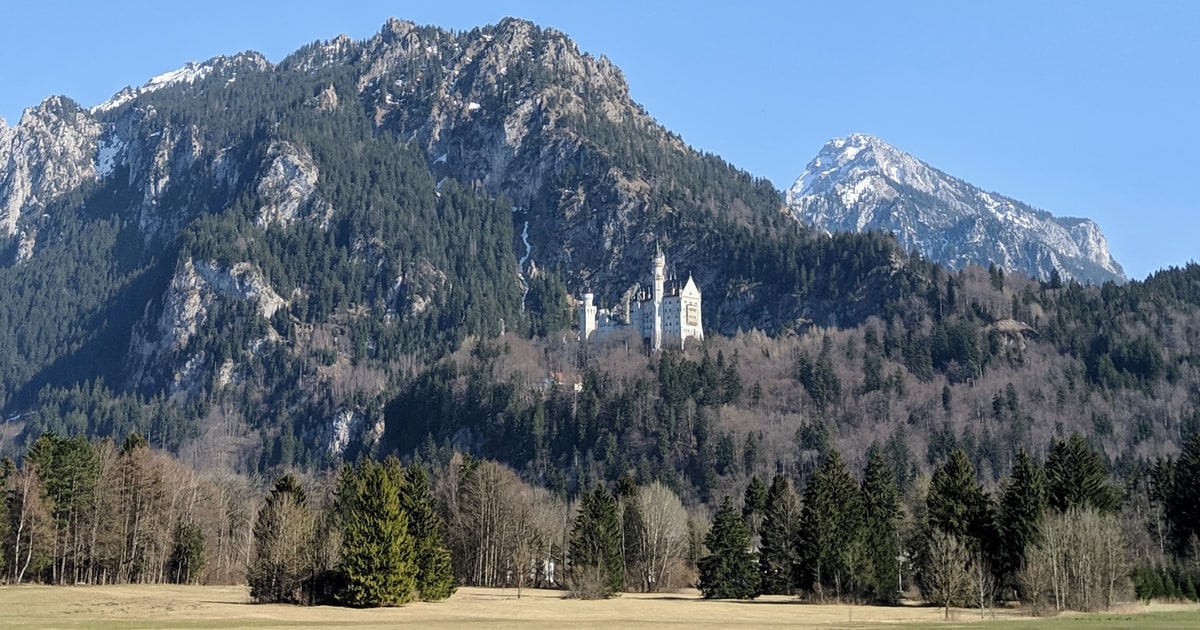
Photo source: https://photos.robertstowe.com/bavarian-alps